
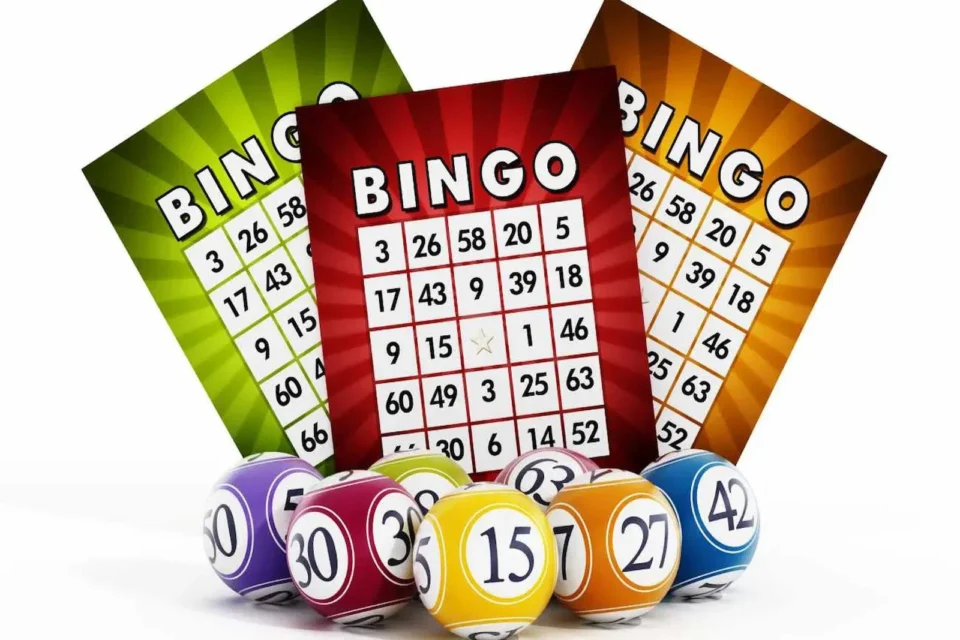
Bingo is one of the most recognizable number-based games in the world. Although many people associate it with community halls and charity events, bingo has evolved into a global pastime with regional variations that differ in rules, card layouts, and winning patterns. Each version reflects local culture, playing style, and preferences while maintaining the same basic objective: matching called numbers on a card to complete a winning pattern.
Understanding these popular bingo variations helps players enjoy the game more fully and choose formats that match their strategy and pace preferences. Below is a detailed look at how bingo is played across different regions and why each version continues to attract loyal players.
The Origins of Modern Bingo
Modern bingo traces its roots to a lottery-style Italian game known as Lo Giuoco del Lotto d’Italia. Over time, the game spread across Europe and later reached North America, where it evolved into the structured format widely recognized today.
As bingo expanded internationally, several unique formats developed based on:
- Cultural gaming preferences
- Number ranges used on cards
- Prize structures
- Playing speed
- Pattern complexity
Today, both traditional bingo halls and online platforms offer multiple versions designed to suit different audiences.
90 Ball Bingo
90 ball bingo is one of the most widely played bingo variations in the world, especially in the United Kingdom and many parts of Europe. It is known for its structured gameplay and multiple chances to win within a single round.
Card Structure
Each 90 ball bingo card contains:
- Three horizontal rows
- Nine vertical columns
- Fifteen numbers total
- Blank spaces between numbers
Numbers range from 1 to 90 and are arranged according to column groups.
Winning Patterns
Players can win in three different stages:
- Completing one row
- Completing two rows
- Completing all numbers on the card, known as a full house
This multi-tiered prize structure keeps players engaged throughout the round rather than ending play after a single win.
Why Players Enjoy 90 Ball Bingo
Key advantages include:
- Longer gameplay sessions
- Multiple prize opportunities
- Strategic pacing
- Strong popularity in both physical halls and online platforms
Because of its layered prize system, 90 ball bingo remains one of the most social versions of the game.
75 Ball Bingo
75 ball bingo is the dominant format in the United States and Canada. It differs from 90 ball bingo primarily through card layout and pattern complexity.
Card Structure
A standard 75 ball bingo card features:
- A five by five grid
- Twenty-four numbers
- One free center space
Numbers range from 1 to 75 and are grouped by columns labeled B I N G O.
Winning Patterns
Unlike 90 ball bingo, 75 ball bingo allows for creative winning patterns such as:
- Straight lines
- Diagonal lines
- Four corners
- Letter shapes
- Picture patterns
Pattern-based gameplay adds variety and keeps rounds unpredictable.
Why Players Enjoy 75 Ball Bingo
Popular reasons include:
- Faster rounds
- Diverse winning patterns
- Higher interaction levels
- Greater variety in gameplay styles
Online bingo platforms frequently use this format because it adapts well to digital play.
80 Ball Bingo
80 ball bingo is a modern variation designed to combine features from both 75 ball and 90 ball formats. It is especially popular in online bingo environments.
Card Structure
Cards typically contain:
- A four by four grid
- Sixteen numbers total
- Numbers ranging from 1 to 80
Each column is color-coded rather than labeled with letters.
Winning Patterns
Winning patterns may include:
- Straight lines
- Corners
- Columns
- Full card matches
- Custom shapes depending on the platform
This structure creates balanced gameplay between speed and complexity.
Why Players Enjoy 80 Ball Bingo
Many players appreciate:
- Moderate game length
- Visually clear card layout
- Flexible winning options
- Smooth compatibility with mobile devices
It offers a middle ground between traditional and fast-paced bingo formats.
30 Ball Bingo
30 ball bingo is one of the fastest versions of the game. It is often called speed bingo because rounds finish quickly.
Card Structure
Each card includes:
- A three by three grid
- Nine numbers total
- Numbers ranging from 1 to 30
Winning Patterns
The primary objective is simple:
- Complete all numbers on the card
Because there is only one winning condition, rounds move rapidly.
Why Players Enjoy 30 Ball Bingo
Speed bingo appeals to players who prefer:
- Short game sessions
- Quick results
- High replay frequency
- Mobile-friendly gameplay
It is particularly popular among newer players exploring bingo for the first time.
Housie Bingo
Housie bingo is widely played in India, Australia, and parts of the Middle East. It closely resembles 90 ball bingo but includes distinct cultural variations.
Card Structure
Housie tickets typically feature:
- Three rows
- Nine columns
- Fifteen numbers per ticket
This layout mirrors traditional 90 ball bingo cards.
Winning Patterns
Common housie winning combinations include:
- Early five numbers
- First line
- Second line
- Third line
- Full house
Local events sometimes introduce additional prize categories.
Why Players Enjoy Housie Bingo
Housie bingo remains popular because:
- It is easy to learn
- It encourages group participation
- It is frequently played during festivals and gatherings
- It supports community-based entertainment
Its accessibility makes it one of the most socially engaging bingo variations.
52 Ball Bingo
52 ball bingo is inspired by playing cards and adds a creative twist to traditional number-based gameplay.
Card Structure
Instead of numbered grids alone, this variation integrates:
- Elements from a standard deck of cards
- Numbers corresponding to card values
- Hybrid gameplay between bingo and card matching
Winning Patterns
Winning formats may include:
- Rows
- Columns
- Full card matches
- Suit-based combinations depending on the version played
Why Players Enjoy 52 Ball Bingo
Players appreciate:
- Unique gameplay mechanics
- Faster rounds than traditional formats
- A mix of bingo and card game strategy
It offers a refreshing alternative for experienced bingo players seeking variety.
Swedish Bingo
Swedish bingo introduces additional number complexity and structured prize opportunities.
Card Structure
Typical cards include:
- Numbers ranging from 1 to 75 or higher depending on the format
- Multiple rows similar to European bingo layouts
- Structured column groupings
Winning Patterns
Winning objectives may involve:
- Single rows
- Multiple rows
- Full card completion
Prize distribution often follows staged progression similar to 90 ball bingo.
Why Players Enjoy Swedish Bingo
Swedish players value:
- Predictable progression
- Balanced pacing
- Community-centered gameplay
- Structured prize tiers
This version maintains strong popularity in organized bingo events.
Online Bingo Variations
Online platforms have expanded bingo beyond traditional halls by introducing customized formats designed for digital convenience.
Popular online features include:
- Themed bingo rooms
- Bonus number rounds
- Progressive jackpots
- Multiplayer chat interaction
- Multi-card gameplay options
Digital platforms also allow operators to experiment with hybrid formats that combine features from multiple bingo styles.
Advantages of Online Bingo Variations
Online gameplay offers:
- Flexible scheduling
- Automated number tracking
- Instant prize notifications
- Access to global player communities
- Mobile compatibility
These benefits continue to attract new generations of bingo players worldwide.
How Regional Preferences Shape Bingo Variations
Different regions favor different bingo formats based on playing traditions and social habits.
Examples include:
- North America prefers 75 ball bingo
- Europe favors 90 ball bingo
- India widely plays housie bingo
- Online platforms promote 30 and 80 ball formats
Understanding regional preferences helps players choose versions that match their expectations and experience levels.
Choosing the Right Bingo Variation for Your Playing Style
Selecting the right bingo format depends on several factors:
- Preferred game speed
- Desired level of complexity
- Social interaction preferences
- Prize structure interest
- Device compatibility for online play
Players seeking relaxed gameplay often prefer 90 ball or housie bingo, while those interested in faster sessions usually choose 30 ball bingo.
Exploring multiple formats helps players discover which version delivers the most enjoyable experience.
Frequently Asked Questions
Which bingo variation is best for beginners
30 ball bingo is often recommended for beginners because it has simple rules and quick rounds that are easy to follow.
Do different bingo variations require different strategies
Yes. Pattern recognition matters more in 75 ball bingo, while pacing and ticket selection are more important in 90 ball bingo formats.
Is online bingo different from traditional hall bingo
Online bingo automates number tracking and often includes bonus features that are not available in physical bingo halls.
Can multiple bingo variations be played in one session
Many online platforms allow players to switch between formats or participate in multiple rooms during the same session.
Are prize structures different across bingo variations
Yes. Some versions offer multiple stage prizes while others provide a single jackpot-style reward.
Why are some bingo cards color coded instead of letter labeled
Color coding improves readability on digital screens and helps players track numbers faster during gameplay.
Do bingo variations affect winning probability
Different card sizes and number ranges influence probability, which means each variation has its own pacing and statistical dynamics.
